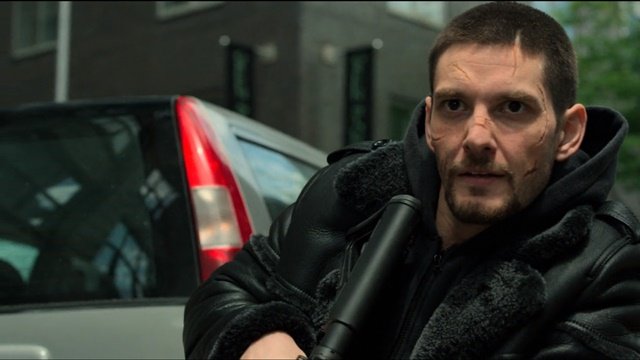
Frank Castle’s journey is less a hero's arc and more a descent into a necessary madness, a relentless war waged on crime that the system can't—or won't—fight. If you've walked with him through the blood-soaked streets and the shadows of conspiracy, you know that understanding his past in Punisher Season 1 & 2 Recap & Connections to a Potential Season 3 is crucial for imagining what comes next. It's a story of profound loss, uncompromising vengeance, and the chilling evolution of a man who became a symbol.
It's been a minute since we last saw Frank, a time ripe for reflection on how his brutal path led him to fully embrace the skull. What exactly drove him from grieving widower to the ultimate vigilante? And more importantly, what threads from those two intense seasons could — or should — weave into a third chapter for The Punisher? Let's peel back the layers of trauma, betrayal, and relentless justice.
At a Glance: Frank Castle's Unrelenting Crusade
- Season 1: Frank Castle, a former Marine, seeks revenge for his family's murder, uncovering a vast military conspiracy tied to his past. He allies with hacker Micro and confronts his former friend, Billy Russo.
- Season 2: Frank attempts a quieter life but is pulled back into violence protecting a young woman named Amy Bendix. Billy Russo returns as Jigsaw, fueling a deeply personal rematch, while a new religious extremist, John Pilgrim, emerges as a major threat.
- Character Arc: Frank evolves from a man seeking personal vengeance to fully embracing his role as a universal vigilante, meting out brutal justice for the innocent.
- Key Themes: Trauma, justice vs. vengeance, the failure of institutions, the blurred lines between hero and villain, and the enduring cost of war.
- Season 3 Potential: Frank is now the fully realized Punisher, ready for a broader war on crime. Unresolved plotlines, new antagonists from the comics, and the question of his place in the broader Marvel universe loom large.
The War Within: Frank Castle's Enduring Saga
Before we even think about a "potential" future, we have to look back at the crucible that forged Frank Castle into The Punisher. This isn't just about a guy with a skull on his chest; it's about the deep psychological scars, the broken promises of justice, and the sheer, unadulterated will to make wrong things right, no matter the personal cost. His story isn't pretty, but it is undeniably compelling, pushing the boundaries of what a "hero" can be.
Season 1: The Raw Birth of a Vigilante
If you thought you knew Frank Castle from his devastating turn in Daredevil Season 2, The Punisher's first solo outing deepened the cuts. This season was less about the skull and more about the man, the pain, and the overwhelming drive for truth.
A Family Lost, a Mission Ignited
The core of Frank’s being is his family: his wife and children, brutally murdered in Central Park. While the initial blame fell on gang violence, Season 1 tore open that wound, revealing a far more sinister plot. Frank, living as "Pete Castiglione," working a demolition job, was trying to stay hidden, but the ghosts of his past wouldn't allow it. His quest wasn't just for revenge; it was for an explanation, for the why that gnawed at his soul. This hunt for answers quickly spiraled into uncovering a vast military conspiracy known as Operation Cerberus, an off-the-books assassination squad from his time in Afghanistan.
Introducing Micro and the Unlikely Alliance
Frank wasn't alone in his fight, though he certainly tried to be. David Lieberman, code-named "Micro," a former NSA analyst believed to be dead, became Frank’s reluctant partner. Micro, with his technical prowess and his own family torn apart by the very same forces Frank was fighting, provided the brains to Frank's brawn. Their hideout in Micro's bunker, filled with surveillance screens and weaponry, became the nerve center for their vigilante operations. This partnership highlighted Frank’s isolation, showing that even a lone wolf sometimes needs a pack, or at least a highly competent tech guy.
Billy Russo's Betrayal and the Big Bad
The true tragedy of Season 1 lay in the betrayal of Frank’s former best friend and comrade-in-arms, Billy Russo. Billy, now running Anvil, a private military contracting firm, presented himself as Frank's ally. However, as the season unfolded, it became clear that Billy was deeply entrenched in the Cerberus conspiracy, benefiting from the very operation that destroyed Frank’s life. The slow, agonizing reveal of Billy’s complicity, culminating in their brutal, face-shattering confrontation in the carousel room, was a masterful stroke of character development. Billy Russo’s transformation into a man haunted by his past and scarred by Frank’s justice was one of the season’s most impactful elements.
The Cost of Vengeance
Season 1 didn't shy away from showing the psychological toll Frank’s war took. His PTSD was a constant companion, manifesting in vivid nightmares and moments of intense paranoia. Characters like Curtis Hoyle, his fellow veteran and group therapist, tried to pull him back from the brink, but Frank was too far gone. The season ended with Frank leaving his past identity behind, accepting that he was now, fully and unequivocally, The Punisher. He was no longer just seeking revenge for his family; he was a force against all injustice, a man without a home, a true lone warrior.
Season 2: New Battles, Old Scars
Just when you thought Frank might find a moment's peace, Season 2 proved that for The Punisher, peace is a luxury he can never afford. This season plunged him back into the fray, forcing him to confront both new threats and the twisted ghost of his past.
A Fresh Start? Not for Frank
Season 2 opens with Frank living a quiet, anonymous life on the road, trying to put his past behind him. He’s found a fleeting connection with a barmaid, Beth, and is seemingly enjoying a moment of calm. But this is Frank Castle, and trouble, or rather, innocent people needing protection, finds him. When he intervenes to save a young grifter named Amy Bendix from a group of ruthless hitmen, his brief respite is shattered. This immediately sets the tone: Frank is a protector by nature, and that impulse will always pull him into conflict.
Amy Bendix and the Pilgrim's Shadow
Amy Bendix becomes the new catalyst for Frank’s violence. She’s entangled with a powerful, dangerous family and their enforcer, John Pilgrim. Pilgrim is a fascinating antagonist: a seemingly devout Christian fundamentalist with a dark past as a white supremacist hitman. His cold, calculating nature and his unwavering devotion to his shadowy benefactors provided a chilling new threat. Frank’s protective instincts for Amy mirrored his lost family, creating a deeply personal stake in her survival. It reinforced the idea that Frank isn't just about vengeance; he's about shielding the vulnerable.
Jigsaw's Return: Billy Russo's Twisted Redemption (or Lack Thereof)
The true heart of Season 2’s conflict, however, was the return of Billy Russo, now mentally fractured and physically scarred, earning him the moniker "Jigsaw." The season meticulously built his new identity: a man struggling with amnesia, manipulated by a cynical therapist, Dr. Krista Dumont, and ultimately, a man still consumed by his violent nature. His pursuit of revenge against Frank, coupled with his disturbing new look and gang of disaffected veterans, made for a compelling and tragic arc. Their final confrontation was less about pure justice and more about putting down a mad dog, a painful mercy Frank felt compelled to deliver. The dynamic between Frank and Jigsaw explored the lasting trauma of their shared past, showcasing how deeply entangled their lives had become.
The Battle for Sarah Lebowitz's Soul
The season also delved deeper into the emotional fallout of Frank’s life. Dinah Madani, the Homeland Security agent from Season 1, continued her complicated relationship with Frank, still wrestling with her own guilt and desire for justice. Her involvement with Billy Russo and Dr. Dumont added another layer of psychological complexity. The season ended with Madani, witnessing Frank’s unwavering commitment to his war, understanding that Frank Castle truly is The Punisher.
A Full-Fledged Punisher
By the close of Season 2, Frank Castle has shed any pretense of a normal life. The final scene shows him in full Punisher gear, skull and all, carrying out vigilante justice with cold precision. He's no longer just seeking personal revenge; he's embraced the larger mission, becoming a dark guardian for the downtrodden. This transformation is pivotal, cementing his place as an anti-hero who operates entirely outside the law, a self-appointed executioner for those who slip through the cracks of the justice system.
Unpacking the Themes: What Drives Frank Castle?
Frank Castle isn't just a man who shoots bad guys; he's a complex study in trauma, morality, and the human cost of violence. Understanding these underlying themes is key to appreciating his character and imagining his future.
Justice vs. Vengeance: The Core Moral Conflict
For Frank, the line between justice and vengeance is perpetually blurred, often non-existent. In Season 1, it's personal revenge for his family. By Season 2, it expands. He's still driven by that primal rage, but it's channeled into protecting others, like Amy. He believes he's delivering justice, a kind of extreme righteous anger against those who prey on the innocent. The show constantly asks us, and Frank, if his methods are truly just, or simply a perpetuation of violence. This internal struggle is what makes him so compelling, and so dangerous. For more on this, you might want to consider the ethical dilemmas of vigilantism.
Trauma and PTSD: Its Constant Presence
Both seasons are unflinching in their portrayal of Frank’s PTSD. Flashbacks, nightmares, hyper-vigilance, and explosive anger are constants. It’s not just an excuse for his violence; it's a driving force, a wound that never truly heals. This portrayal added a gritty realism to the show, differentiating it from more traditional superhero narratives. It reminds us that behind the skull, there's a deeply broken man.
Family, Found and Lost: His Evolving Relationships
Frank's core motivation is the loss of his biological family. Yet, throughout both seasons, he forms new, unconventional "families" – with Micro and his family in Season 1, and with Amy Bendix in Season 2. These relationships show his capacity for connection and protection, even amidst his brutality, but they also highlight the constant danger his world poses to anyone he cares about.
The System's Failure: Why He Operates Outside the Law
A recurring motif is the inadequacy of the traditional justice system. Whether it's the corrupt elements within the military/CIA that orchestrated Cerberus or the powerful figures John Pilgrim served, the show consistently portrays a system that fails the innocent and protects the guilty. This failure is what empowers Frank's extreme methods, arguing that sometimes, only a Punisher can achieve true "justice."
Laying the Groundwork: Seeds for a Potential Season 3
With both seasons culminating in Frank's full adoption of The Punisher mantle, the stage is undeniably set for what comes next.
Frank's New Status Quo: Embracing the Skull
The final moments of Season 2 are definitive: Frank Castle is The Punisher, unapologetically. He’s no longer haunted by the question of his identity; he's embraced it. This means any potential Season 3 wouldn't be about his origin or his struggle to accept his role. It would be about his operations as The Punisher. This opens up vast narrative possibilities, moving away from his personal revenge saga to a broader, ongoing war on crime, perhaps even echoing the Punisher's storied comic book history.
Loose Ends and Lingering Threats
While Season 2 tied up the Jigsaw and Pilgrim arcs, the world Frank operates in is still full of darkness.
- The Power Brokers: The wealthy, influential family that hired John Pilgrim and threatened Amy Bendix are still out there, their corruption unchecked. Could they return to seek revenge or simply continue their illicit activities?
- The Criminal Underbelly: Frank has made countless enemies. The vast criminal network he systematically dismantles would surely seek retribution, perhaps uniting against him.
- Karen Page: Her connection to Frank is deep and enduring. While she’s stepped back, her moral compass and investigative skills could always draw her back into his orbit, offering a humanizing touch to his grim world.
- Curtis Hoyle: Frank's loyal friend and fellow veteran, Curtis, remains a lifeline to humanity. His role as a therapist for veterans could bring Frank into contact with new problems or conflicts.
- Dinah Madani: Her acceptance of Frank’s role suggests she could become an unlikely, conflicted ally within law enforcement, providing intelligence or even begrudging protection.
Character Arcs Unfinished
Beyond Frank, other characters' journeys could continue. Madani's transformation from by-the-book agent to someone who understands the need for Frank’s extreme measures is significant. Her future could involve navigating a corrupt system from the inside, influenced by her experiences with Castle.
What a Season 3 Could Explore: Theories and Trajectories
The beauty of The Punisher's ending is its open-ended nature. It provides a clean slate for new stories while carrying forward the weight of the past. If a Season 3 were to materialize, it would have rich ground to cover. To dive deeper into what a potential third season could hold, be sure to Explore Punisher Season 3.
The Vigilante's War on Crime: Classic Punisher Stories
With Frank now a full-fledged Punisher, Season 3 could pivot to more episodic "villain of the week" structures, albeit with continuous overarching threats. This could involve Frank taking on organized crime, drug cartels, human traffickers, or corrupt institutions. It would allow for a broader exploration of the criminal underworld and Frank’s relentless pursuit of "punishment" for those who abuse their power or prey on the weak.
The System Fights Back: Law Enforcement's Pursuit
Frank Castle is now a known entity, a vigilante operating with extreme prejudice. Law enforcement, both local and federal, could launch a concerted effort to apprehend him. This could pit him against genuinely good cops who believe in the law, creating a compelling cat-and-mouse dynamic. It would highlight the inherent conflict between Frank's brand of justice and societal order.
New Foes, Familiar Darkness: Introducing Iconic Comic Villains
The Punisher's rogues' gallery in the comics is vast. A Season 3 could introduce other prominent villains.
- Barracuda: A brutal, sadistic mercenary who has been a major antagonist for Frank in the comics, known for his physical prowess and unsettling humor.
- Kingpin: While heavily featured in
Daredevil, Wilson Fisk's influence often extends to the entire criminal underworld. A confrontation betweenThe PunisherandKingpinwould be an epic clash of titans, though perhaps reserved for a future the legacy of Marvel's street-level heroes. - The Russian: Another physically imposing and relentless foe who famously gave Frank one of his toughest battles.
Introducing new, complex antagonists would keep the series fresh while still adhering to the core themes.
The Return of Old Allies/Enemies: Crossovers and Resurrections
While Billy Russo is definitively gone, the interconnectedness of the Marvel Netflix universe (before its shift) always left room for crossovers.
- Daredevil: Frank's dynamic with Matt Murdock is legendary. A potential Season 3 could see them cross paths again, debating their differing philosophies on justice.
- Other Defenders: While less likely to be central, a cameo or a reference to other street-level heroes like Jessica Jones or Luke Cage could tie Frank into a larger world, even if he prefers to operate alone.
Exploring the MCU Connection (or Lack Thereof): His Place in a Broader Universe
With The Punisher now under the Disney umbrella and Daredevil: Born Again on the horizon, the question of Frank's integration into the mainstream MCU is paramount. Will his brutal methods be toned down? Will he operate in a separate, grittier corner of the universe? The path Marvel chooses for the potential return of Jon Bernthal could redefine how dark and uncompromising the MCU is willing to get. The future of the future of Marvel's Netflix characters is a hot topic, and Punisher is at the forefront.
Your Burning Questions Answered
We know you have thoughts. Here are some quick answers to common questions about The Punisher's future.
Is Punisher Season 3 confirmed?
As of now, The Punisher Season 3 has not been officially confirmed by Marvel Studios or Disney. While there's a lot of fan demand and speculation, particularly with the return of some Netflix Marvel characters to the MCU, nothing concrete has been announced for a standalone Punisher series.
Will Jon Bernthal return as The Punisher?
Jon Bernthal has expressed strong interest in returning to the role, stating he would only do so if the character's gritty, uncompromising nature is preserved. He is widely considered the definitive live-action Punisher, and fan sentiment is overwhelmingly in favor of his return.
What happened to Karen Page and Dinah Madani?
Karen Page was last seen in Daredevil Season 3, continuing her work as a journalist and maintaining her complex relationship with Matt Murdock. She made appearances in The Punisher seasons, always serving as a moral anchor for Frank. Dinah Madani, the Homeland Security agent, ended Season 2 having accepted Frank's role as The Punisher and seemingly continuing her career, though deeply impacted by her experiences. Neither character had a definitive "ending" in the traditional sense, leaving room for their stories to continue.
How did Jigsaw get his face scarred?
Billy Russo (Jigsaw) received his infamous facial scars at the end of Punisher Season 1 during a brutal hand-to-hand fight with Frank Castle. Frank repeatedly smashed his face through a carousel mirror, resulting in the disfigurement that contributed to his "Jigsaw" identity in Season 2. The scars were not as extreme as his comic book counterpart, but still visually impactful and psychologically devastating.
Beyond the Bullet Points: Preparing for Frank's Next Chapter
Frank Castle's journey through two seasons of The Punisher has been a visceral exploration of pain, justice, and the darkest corners of humanity. We've seen him transform from a grieving veteran seeking personal revenge to a fully realized, unyielding vigilante committed to a broader war. The beauty of his story is its refusal to offer easy answers or clean endings.
If a Season 3 ever sees the light of day, it won't be a simple continuation. It will be a reckoning with the consequences of his choices, a deepening of his mission, and a brutal testament to the fact that some wars never truly end. We're not just recapping a show; we're witnessing the genesis of a legend, flawed and terrifying as he may be. The skull has been earned, the war has been declared, and the only question now is: what fresh hell awaits Frank Castle?