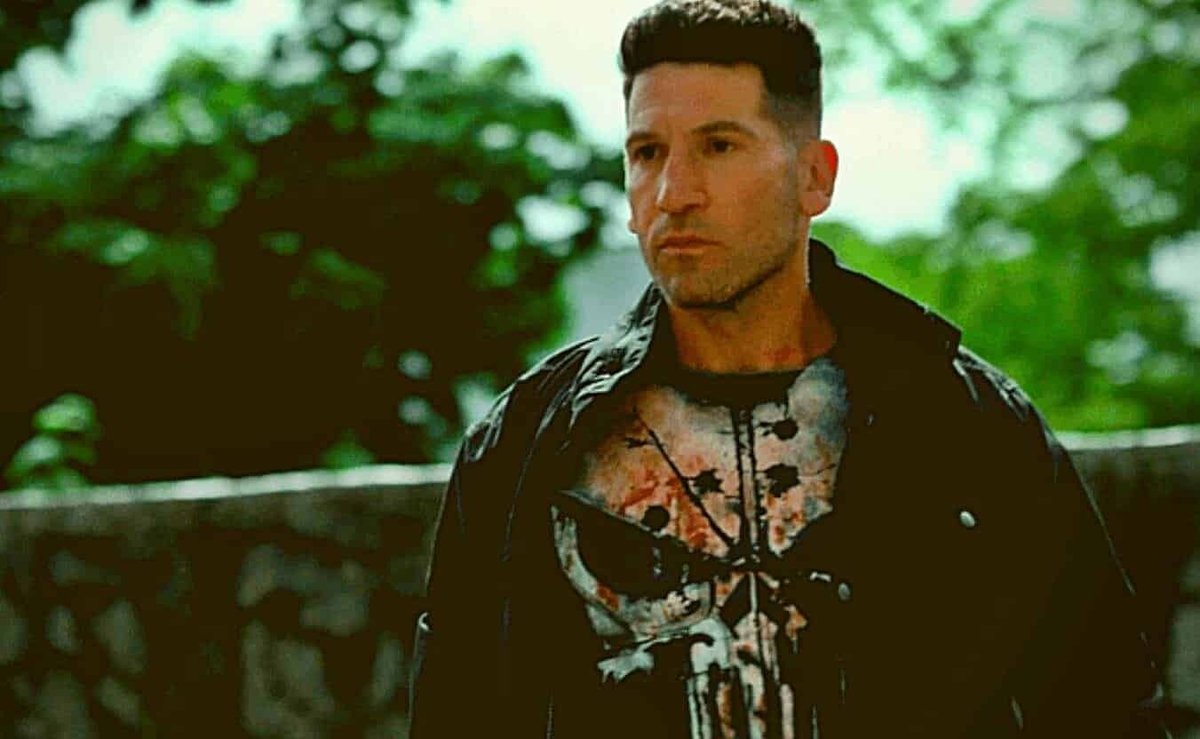
The roar of a suppressed firearm, the chilling sight of a skull logo, and the familiar, gravelly voice of Jon Bernthal – Frank Castle is back. For fans who devoured his Netflix series, the question wasn't if he'd return to the Marvel Cinematic Universe, but how and, more crucially, what kind of Punisher he'd be. With his reintroduction in 'Daredevil: Born Again', we now have a remarkably clear, albeit brutal, answer: Frank Castle's Future & Character Arc Post-Netflix isn't about transformation. It's about reaffirmation. The Punisher remains uncompromisingly lethal, driven by a primal, unyielding fury that even time and the death of his family's direct killers cannot extinguish.
At a Glance: Frank Castle's Unwavering Path
- Return Confirmed: Jon Bernthal reprises his role as Frank Castle/The Punisher in 'Daredevil: Born Again'.
- Unchanged Psyche: Frank is as emotionally consistent and relentlessly violent as he was at the end of 'The Punisher' spin-off.
- Active Vigilante: He's living in a secret apartment, fully equipped, and actively continuing his murderous crusade against crime.
- New Motivations: Beyond avenging his family, he targets "bullshit fanboys" co-opting his logo, hinting at a broader war on systemic corruption.
- Moral Conflict: Matt Murdock holds Frank responsible for the violence inspired by his lethal actions, setting up a crucial philosophical clash.
- Targeted by Fisk: Mayor Wilson Fisk identifies Frank as a primary vigilante threat, elevating his status within the MCU.
- Future Tease: An announced 'Punisher special presentation' suggests a deeper dive into his ongoing war.
- Still Haunting: He continues to hear his dead son's voice, driving his relentless pursuit of vengeance.
The Unmistakable Return of a Brutal Icon
The world stopped, or at least the corners of the internet dedicated to Marvel fandom did, when news broke: Jon Bernthal was officially donning the skull vest once more. His portrayal of Frank Castle was, for many, the definitive live-action Punisher – raw, visceral, and morally complex. His return in 'Daredevil: Born Again' isn't just a cameo; it's a profound statement about the character's enduring relevance and the MCU's willingness to embrace its darker, grittier corners.
When Matt Murdock, in a moment of desperate need, tracks down Frank Castle, the scene is instantly familiar and deeply telling. Matt is investigating the brutal murder of Hector Ayala/White Tiger, and at the crime scene, he uncovers a single bullet casing etched with Frank's signature skull logo. This isn't a symbol of a past life; it's a calling card, a declaration that The Punisher is very much still in business.
Matt's subsequent confrontation with Frank confirms this stark reality. Frank is holed up in a meticulously organized secret apartment, a veritable fortress bristling with an arsenal of weapons and sophisticated surveillance gear. This isn't a man trying to leave his past behind; this is a man who has fully embraced it, meticulously crafting a new existence around his singular, brutal purpose. The environment itself speaks volumes: The Punisher never truly left. He merely went underground, sharpening his tools and expanding his war.
Deeper into the Punisher's Unaltered Psyche
What makes Frank Castle such a compelling, and often terrifying, character is his unwavering commitment to his code, however twisted it may appear to outsiders. The ground truth research from 'Daredevil: Born Again' reveals that Frank's emotional state remains shockingly consistent with where we last saw him at the end of 'The Punisher' spin-off. Back then, he famously rejected a CIA offer to continue his singular war on crime, recognizing that his path was his own, unbound by any government or organization.
This same defiant spirit permeates his new appearance. His family's direct killers are long dead, the initial fuel for his rage seemingly exhausted. Yet, Frank continues his murderous missions without pause. This isn't about direct revenge anymore; it's about a broader, all-encompassing war. He attributes Hector Ayala's murder, in part, to "bullshit fanboys" who co-opted his skull logo, including corrupt police officers. This new layer of motivation highlights a vigilante whose mission has metastasized. It's no longer just about personal loss, but about the pervasive rot he perceives in society, a rot he feels compelled to excise by any means necessary.
Perhaps the most haunting detail reinforcing his unchanged psyche is the revelation that Frank is still driven by hearing his dead son's voice, urging him to kill criminals. This isn't a rational choice; it's a visceral, deeply traumatized response that has solidified into his core identity. This internal monologue, this constant echo of loss and vengeance, explains why Frank cannot and will not stop. He isn't merely a man seeking justice; he is a man possessed by the ghosts of his past, condemned to an eternal crusade. His refusal to yield to external pressures or even the natural progression of grief underscores that the Punisher isn't a phase; it's who Frank Castle has become.
The Weight of the Skull: Frank's Legacy and Matt's Dilemma
Frank Castle's return isn't just a narrative event; it's a philosophical earthquake for the MCU. Matt Murdock, a hero who grapples constantly with the line between justice and vengeance, finds himself in a direct moral confrontation with Frank. Matt holds Frank directly responsible for the violence inspired by his lethal actions, accusing him of creating a symbol that others, like corrupt cops, have perverted. This isn't just about Frank's individual actions; it's about the unintended, devastating consequences of his uncompromising methods.
This dynamic is vital. The MCU has largely shied away from the brutal, no-holds-barred vigilantism that defines The Punisher. Matt's accusation forces a crucial question: What is the true cost of Frank's war? Does his brand of "justice" do more harm than good by normalizing extreme violence? It sets the stage for a compelling exploration of ethics in a world teeming with superpowered individuals.
Further cementing Frank's unchanging nature and his deep-seated code, he unequivocally urges Matt to kill Benjamin "Bullseye" Poindexter for murdering Foggy Nelson. This command isn't just a suggestion; it's an imperative, delivered with the absolute certainty only Frank Castle can possess. His familiar reference to Bullseye also strongly suggests prior encounters, indicating that Frank's war has continued in the shadows, intersecting with other figures in the criminal underworld. For Frank, the solution to evil is simple: eradicate it. And he fully expects others, especially those he respects, to adopt the same principle.
The Cost of the Crusade: Is Frank Castle a Hero or a Villain?
This question has plagued comic book fans and creators for decades, and Frank's reintroduction into the MCU ensures it will be explored with renewed vigor. From Matt Murdock's perspective, Frank's methods are abhorrent, a contagion that spreads violence rather than cures it. Yet, for those who see justice as a broken system, Frank Castle offers a dark, satisfying fantasy of absolute accountability. The MCU is poised to directly confront this moral ambiguity, refusing to provide easy answers. His actions are undeniably monstrous, but his targets are often worse. The true "hero" in this narrative is less clear-cut than in many other Marvel stories.
A City on Edge: Mayor Fisk's New War
The scope of Frank Castle's impact extends far beyond the street-level clashes of Hell's Kitchen. Mayor Wilson Fisk, now positioned as one of New York's most formidable and politically powerful antagonists, identifies Frank Castle as one of the active vigilantes he intends to stop. Crucially, Fisk names Frank in the same breath as Daredevil and Spider-Man.
This inclusion is a significant elevation for The Punisher. It signals that Frank is no longer just a shadowy figure operating on the fringes; he's a recognized, significant threat to the established order, a thorn in the side of a man who now wields immense institutional power. For Fisk to consider him alongside global icons like Spider-Man highlights the sheer scale of Frank's perceived menace. His continued murderous missions, even without the direct motivation of his family's killers, solidify his status as an uncompromising force, and thus, a primary target for Fisk's crackdown on vigilantism. This dynamic promises to pit unstoppable force against immovable object, with Frank Castle's lethal efficiency squaring off against Fisk's calculated political and criminal might.
Glimpsing the Horizon: The Punisher's Announced Future
The most tantalizing detail concerning Frank Castle's future is the announced 'Punisher special presentation'. This isn't just a brief appearance in another hero's show; it's a dedicated platform, confirming Marvel's long-term commitment to the character and the complex narratives he represents.
Given everything we've learned from his reintroduction, this special presentation is likely to delve deeper into several critical themes:
- His Broader War: We'll likely see the expansion of his targets beyond initial revenge, focusing on systemic corruption and those who co-opt his symbol.
- The Weight of Legacy: The show can explore the direct consequences of Matt's accusations – how Frank grapples, or doesn't grapple, with the violence he inspires.
- Internal Torment: The haunting voice of his son provides a fertile ground for exploring the psychological toll of his unending war. It's a reminder that beneath the hardened exterior lies a man shattered by grief.
- The "Unchanged" Arc: Instead of a redemption arc, we might see a more profound exploration of Frank's unwavering commitment to his vigilante identity, a core theme already evident. He doesn't change; he is.
For those eager to understand the full scope of what's coming, delving into the broader context of his potential standalone return is essential. You can find out Everything Punisher Season 3 might entail, connecting the dots between his current status and the path ahead. This ongoing commitment to his identity, despite his family's direct killers being dead, is the defining characteristic of this new chapter. Frank Castle isn't seeking peace; he's waging a permanent war.
Will Anything Change for Frank Castle?
Based on the evidence presented in 'Daredevil: Born Again', the answer appears to be a resounding "no." Frank Castle's character arc has always been less about fundamental change and more about the relentless testing of his resolve. He is defined by his consistency, his unyielding nature in the face of immense personal loss and societal corruption. His arc isn't a journey from darkness to light, but a descent deeper into the abyss of his own making, where he believes he is the necessary evil. Any "growth" for Frank is likely to be an increased efficiency in his methods, a deeper understanding of his targets, or a more profound, self-aware articulation of his own brutal philosophy, rather than a softening of his stance.
What This Means for the Wider Marvel Cinematic Universe
Frank Castle's definitive return carries significant implications for the broader MCU, especially for its street-level heroes and antagonists:
- A Darker Tone: His presence immediately injects a grittier, more morally ambiguous tone, potentially opening the door for more mature storytelling that doesn't shy away from the brutality of his methods.
- Elevated Stakes for Daredevil: Matt Murdock's re-encounter with Frank will undoubtedly force him to confront his own principles and the efficacy of his non-lethal approach. The philosophical debate between them will be central.
- Fisk's Reign: Frank becomes a tangible, lethal obstacle to Mayor Fisk's consolidation of power. This isn't a foe Fisk can easily charm, manipulate, or imprison long-term.
- Defender-verse Integration: His seamless reintroduction, complete with continuity nods to his past (the CIA offer, Bullseye references), solidifies the successful integration of the Netflix characters into the main MCU canon. This paves the way for other beloved characters to return with their established histories intact.
- Moral Quandaries: The MCU will be challenged to explore the complexities of a character like The Punisher without condoning his actions, using him as a mirror to reflect the darker aspects of vigilantism and the cost of vengeance.
Navigating the Darkness: What Viewers Can Expect Next
Frank Castle's future in the MCU isn't about hope or redemption; it's about the relentless pursuit of his brutal form of justice. What viewers can expect from 'Daredevil: Born Again' and his subsequent special presentation is a Punisher who is precisely what he has always been: a force of nature, driven by the ghosts of his past, and armed with an unwavering commitment to his lethal crusade.
You should prepare for:
- Uncompromising Violence: The Punisher's methods are unapologetically brutal, and his return signals that the MCU isn't shying away from this.
- Deep Moral Debates: His interactions with Matt Murdock will be a crucible for exploring the ethics of vigilantism, inspiring intense discussion among viewers.
- A Man on the Edge: Despite his resolve, the internal torment of hearing his son's voice ensures Frank remains a deeply complex, tragic figure.
- An Integral Threat: His placement on Mayor Fisk's hit list positions him as a significant player in the evolving landscape of New York's criminal and vigilante underworld.
Frank Castle's future isn't about change, but about a terrifying, resolute affirmation of who he is. He is The Punisher, and the MCU is about to feel the full, unbridled force of his unchanging, lethal vengeance. Get ready for a punishing ride.